
How Can Strategic Facility Operations Management Transform Your Business Performance and Bottom Line?
Understanding the Core Components of Professional Facility Operations Management
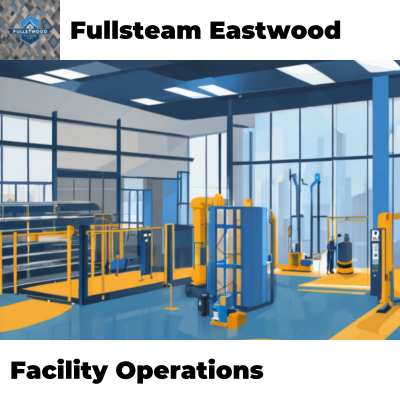
Facility operations management represents far more than simply keeping the lights on and doors unlocked. The discipline encompasses a comprehensive approach to managing the physical environments where businesses operate, touching everything from preventive maintenance schedules to energy efficiency optimization, space utilization strategies, and vendor coordination. When executed properly, these operations create the backbone that allows organizations to focus on their primary missions without worrying about whether their buildings will function effectively tomorrow.
The scope of facility operations extends deeply into multiple interconnected systems. Building automation technologies now integrate with traditional maintenance protocols. Climate control systems communicate with occupancy sensors. Security infrastructure layers over access management protocols. Each component demands specialized knowledge, continuous oversight, and strategic planning that extends months or even years into the future. Companies attempting to manage these complexities without dedicated expertise often find themselves reactive rather than proactive, addressing emergencies after they occur instead of preventing them altogether.
The Hidden Costs of Neglected Facility Operations
Organizations frequently underestimate the financial consequences of inadequate facility management. A seemingly minor issue—perhaps a small roof leak or HVAC inefficiency—can snowball into catastrophic expenses. Water damage spreads silently through structural components. Temperature fluctuations stress mechanical systems beyond their design parameters. Deferred maintenance compounds exponentially, with costs multiplying when repairs finally become unavoidable. The difference between addressing problems early and allowing them to deteriorate can represent hundreds of thousands of dollars.
Beyond the direct repair costs, poorly maintained facilities impact productivity metrics significantly. Employees working in uncomfortable environments experience reduced focus and increased absenteeism. Customers walking into poorly maintained spaces form immediate negative impressions. Equipment fails at critical moments, disrupting operations and disappointing stakeholders. Regulatory inspections uncover compliance violations. Insurance premiums increase when properties show signs of neglect.
Why Professional Expertise Matters in Operations Management
Fullsteam Eastwood brings specialized knowledge accumulated through years of experience managing diverse facility types and sizes. Their team understands the intricate relationships between building systems that most property managers never encounter. They recognize which maintenance activities prevent future problems and which merely treat symptoms. They know how to coordinate multiple vendors and contractors to minimize disruption and maximize value. They stay current with evolving building codes, safety regulations, and technological innovations that impact facility operations.
Professional facility operations managers serve as strategic advisors, not merely maintenance coordinators. They analyze historical performance data to predict future needs. They benchmark your facility's efficiency against industry standards. They identify opportunities for cost reduction without compromising quality. They develop comprehensive plans that balance immediate needs with long-term sustainability.
The Comprehensive Range of Facility Operations Services Available
Fullsteam Eastwood offers an integrated suite of services designed to address every aspect of facility management from preventive maintenance to emergency response, sustainability initiatives to specialized equipment management. Understanding this breadth helps explain why comprehensive providers deliver superior results compared to cobbling together multiple specialized vendors.
Preventive Maintenance Planning and Execution
Preventive maintenance distinguishes professional facility management from amateur property care. Rather than waiting for equipment to fail, this approach schedules regular inspections, adjustments, and servicing based on manufacturer recommendations and operational history. A well-designed preventive maintenance program typically costs thirty to forty percent less than reactive maintenance over the facility's lifetime.
Fullsteam Eastwood develops customized preventive maintenance schedules addressing:
- HVAC system servicing—filter changes, refrigerant checks, compressor inspections, seasonal adjustments
- Plumbing system inspections—leak detection, drain cleaning, pressure relief valve testing, water quality monitoring
- Electrical system maintenance—panel inspections, breaker testing, connection tightening, surge protection verification
- Roof and gutter maintenance—debris removal, sealant inspection, drainage verification, structural assessment
- Elevator and lift servicing—cable inspection, door alignment, safety brake testing, hydraulic fluid analysis
- Parking area maintenance—surface inspection, drainage evaluation, line repainting, lighting verification
Each scheduled service prevents unexpected failures that would otherwise disrupt operations and incur emergency repair premiums. The team maintains detailed records documenting all maintenance performed, creating an invaluable database for troubleshooting future issues and justifying warranty claims.
Facility Operations Beyond Routine Maintenance
Modern facility operations extend far beyond traditional maintenance activities. Building performance optimization involves analyzing how your facility uses energy, water, and resources. Strategic space planning maximizes usable area while minimizing operational costs. Vendor management consolidates purchasing power and reduces administrative overhead. Compliance management ensures adherence to relevant regulations and inspections pass without issues.
Emergency Response Capabilities
Despite preventive maintenance excellence, emergencies occasionally occur. Pipes burst in winter. Power outages strike without warning. Security breaches require immediate response. Hazardous material spills demand expert containment. Fullsteam Eastwood maintains rapid-response capabilities ensuring that when crises occur, trained professionals arrive quickly to mitigate damage and restore normal operations.
The difference between adequate and exceptional emergency response often determines whether a crisis becomes a catastrophe. Swift action by experienced professionals can prevent secondary damage, protect occupants, preserve evidence if necessary, and minimize downtime. Companies without dedicated emergency protocols face chaotic situations where poor decisions under pressure create exponential costs.
Sustainability and Energy Efficiency Initiatives
Environmental responsibility increasingly matters to customers, employees, and regulatory bodies. Fullsteam Eastwood helps facilities reduce their environmental footprint while simultaneously decreasing operational expenses. Energy audits identify inefficiencies. LED lighting upgrades cut electricity consumption. HVAC optimization reduces heating and cooling costs. Water conservation measures address both sustainability goals and expenses.
These initiatives often qualify for rebates from utility companies and government programs, offsetting implementation costs. Beyond financial returns, sustainable facilities attract environmentally conscious tenants and customers. Employees feel pride working for companies demonstrating genuine environmental commitment. Insurance companies sometimes offer premium reductions for sustainable buildings.
Customized Reporting and Performance Analytics
Understanding your facility's performance requires more than intuition—it demands data-driven analysis. Fullsteam Eastwood provides detailed reporting showing maintenance activities performed, costs incurred, energy consumption trends, and efficiency metrics. This transparency enables informed decision-making and budget planning. You'll understand exactly where facility dollars go and whether investments achieve their intended results.
Performance analytics also identify emerging problems before they become critical failures. Unusual energy consumption patterns might indicate mechanical issues. Water usage spikes could reveal hidden leaks. Equipment runtime increases might suggest operating parameter drift. Identifying these signals allows proactive intervention.
How Facility Operations Management Directly Impacts Your Financial Performance
The financial implications of facility management decisions ripple throughout business operations in ways many leaders fail to recognize until problems emerge. Understanding these connections reveals why treating facility operations as a strategic investment rather than a necessary expense represents sound business thinking.
Operational Efficiency and Productivity Connections
Well-maintained facilities enable employees to work at their highest capacity. When HVAC systems function properly, workers remain comfortable and focused. When bathrooms are clean and well-maintained, employees feel respected and valued. When parking facilities operate smoothly and safely, arrival experiences remain positive. When lighting and ergonomic conditions support human performance, productivity increases measurably.
Conversely, facilities falling into disrepair create constant minor irritations that cumulatively destroy morale and focus. Employees spend time complaining about uncomfortable temperatures rather than concentrating on their work. They navigate around maintenance issues, losing efficiency. They question leadership commitment when their work environments deteriorate. Absenteeism increases as workers seek excuses to avoid uncomfortable spaces.
Extending Equipment Life and Reducing Replacement Capital Requirements
Building systems represent substantial capital investments. HVAC units cost tens of thousands of dollars. Roofs might require six-figure replacements. Parking lots demand significant resurfacing budgets. Elevators represent major outlays. Proper maintenance dramatically extends the operational life of these systems, deferring replacement capital requirements and improving cash flow.
Consider a typical HVAC system. With minimal maintenance, it might function for twelve to fifteen years before requiring replacement. With comprehensive preventive maintenance, the same system often performs reliably for eighteen to twenty years or beyond. That additional five years of service might represent twenty to thirty thousand dollars in deferred capital spending. Across multiple building systems, these cumulative deferrals become highly significant.
Creating Defensible Insurance and Compliance Positions
Insurance companies scrutinize facility maintenance when evaluating claims. Facilities with documented preventive maintenance programs receive more favorable claim treatment. Facilities with poor maintenance records face skepticism about negligence. In liability situations, maintenance documentation becomes critical evidence. Insurance companies sometimes decline coverage renewal or increase premiums for facilities demonstrating inadequate maintenance practices.
Similarly, regulatory compliance depends on documented facility management. Health inspections examine cleanliness, temperature control, and equipment maintenance. Fire safety inspections verify proper system operation. Accessibility compliance requires maintained equipment and clear pathways. OSHA inspections evaluate workplace safety conditions including facility maintenance. Professional management ensures you pass these scrutinies without costly violations or closures.
Risk Mitigation Through Systematic Problem Identification
Comprehensive facility management identifies safety hazards before they cause injuries
or property damage. A professional inspector notices a cracked step before someone falls. They detect electrical hazards before fires occur. They identify structural weaknesses before they fail catastrophically. They spot water intrusion before mold develops. Early identification enables corrective action before catastrophes unfold.
This risk mitigation protects not only your physical assets but also shields the organization from liability exposure. Injuries occurring in poorly maintained facilities can result in workers' compensation claims, personal injury lawsuits, and regulatory penalties. A single serious injury can cost hundreds of thousands or millions of dollars in medical expenses, legal fees, and settlement amounts. Professional facility management dramatically reduces these risks through systematic hazard identification and correction.
Specialized Services and Advanced Facility Management Solutions
Beyond foundational maintenance and operations, Fullsteam Eastwood provides specialized services addressing specific facility challenges and emerging needs that require deep expertise to execute properly.
Building Automation and Technology Integration
Modern facilities increasingly rely on interconnected technology systems that optimize performance while reducing operational workload. Building management systems integrate HVAC controls, lighting automation, security protocols, and access management into unified platforms. These systems learn occupancy patterns and adjust environmental conditions automatically. They detect anomalies indicating equipment problems. They generate predictive maintenance alerts before failures occur.
Implementing and managing these systems requires technical expertise extending beyond traditional facilities knowledge. Network security becomes critical when systems connect to the internet. Integration protocols must function smoothly across different manufacturers' equipment. User interfaces need intuitive design so staff can operate systems effectively. Fullsteam Eastwood manages this technological complexity, ensuring systems deliver promised benefits rather than creating frustration and underutilization.
Specialized Equipment Maintenance and Repair
Certain facility components demand specialized expertise beyond general maintenance knowledge. Commercial kitchen equipment requires certified technicians. Laboratory facilities need specialized cleaning protocols. Medical equipment demands calibration and compliance verification. Data centers need environmental monitoring and redundancy system maintenance. Industrial facilities have equipment-specific requirements. Fullsteam Eastwood maintains relationships with certified specialists and coordinates their work, ensuring quality results without requiring you to manage multiple specialized vendors independently.
Space Planning and Reconfiguration Services
As organizations grow, shrink, or evolve their operations, facility layouts require adjustment. Reconfiguring space demands coordination between construction, electrical systems, plumbing, HVAC distribution, telecommunications infrastructure, and security systems. Poor coordination creates cost overruns, timeline delays, and systems that don't function optimally. Professional space planners evaluate your current and projected needs, design configurations maximizing efficiency, and coordinate all trades to execute seamlessly.
Environmental and Sustainability Consulting
Facilities increasingly pursue environmental certifications, energy performance standards, and sustainability goals. LEED certification requires demonstrated compliance with specific criteria. Net-zero energy facilities demand sophisticated design and operation. Water conservation targets require system optimization. Carbon footprint reduction initiatives need comprehensive strategy. Fullsteam Eastwood provides consulting expertise helping facilities achieve these goals while documenting compliance for certification bodies.
Vendor Management and Procurement Services
Managing multiple contractors and vendors consumes administrative resources and often results in suboptimal pricing. Facilities teams spend time soliciting quotes, comparing proposals, scheduling work, resolving disputes, and processing invoices. Fullsteam Eastwood consolidates these functions, leveraging volume purchasing power to reduce costs, ensuring quality through vendor vetting, and handling administrative coordination. This consolidation typically reduces procurement costs by fifteen to twenty-five percent while improving service quality through established relationships and accountability.
Customized Solutions for Different Facility Types and Sizes
Different facilities have distinct operational requirements reflecting their specific purposes, occupancy patterns, regulatory environments, and operational complexities. One-size-fits-all approaches inevitably fail to address unique needs effectively.
Corporate Office Environments
Corporate offices prioritize employee comfort, professional appearance, and reliable operations supporting business continuity. Climate control must maintain precise conditions supporting focus and comfort. Lighting systems need calibration supporting eye health and mood. Bathrooms and break rooms require immaculate maintenance. Technology infrastructure demands uptime and security. Parking facilities need smooth operations. Fullsteam Eastwood understands these priorities and structures maintenance programs accordingly, ensuring facilities support your corporate image and employee satisfaction.
Retail and Customer-Facing Facilities
Retail environments live or die based on customer perception and shopping experience. Cleanliness speaks volumes about business quality. Store temperature affects customer behavior and product preservation. Lighting sets mood and highlights merchandise. Restroom conditions influence customer loyalty. Parking lot safety impacts customer retention. Fullsteam Eastwood recognizes these customer experience connections and prioritizes maintenance activities accordingly, understanding that facility conditions directly affect revenue.
Industrial and Manufacturing Facilities
Industrial facilities operate under completely different parameters. Equipment operates continuously under demanding conditions. Safety hazards multiply without disciplined maintenance. Production interruptions from equipment failure create immediate financial consequences. Regulatory compliance requirements become more stringent. Environmental impacts demand careful management. Fullsteam Eastwood brings manufacturing-specific expertise, understanding equipment, production priorities, and operational constraints unique to industrial environments.
Healthcare and Life Sciences Facilities
Healthcare facilities operate under the most stringent regulatory requirements. Cleanliness standards prevent infections. Temperature and humidity control protect equipment and patient comfort. Sterilization protocols demand specialized maintenance. Emergency systems must maintain absolute reliability. Infection prevention requires meticulous facility management. Fullsteam Eastwood understands healthcare-specific requirements and maintains compliance with Joint Commission standards, CMS regulations, and infection prevention protocols.
Educational Institutions
Educational facilities balance multiple constituencies with competing priorities. Classrooms need optimal learning environments. Dormitories require residential-quality maintenance. Dining facilities demand sanitation excellence. Athletic facilities need specialized maintenance. Libraries have unique climate control requirements. Laboratory facilities need specialized management. Fullsteam Eastwood brings educational sector expertise, understanding facility priorities and operational constraints specific to learning institutions.
Implementing Effective Facility Operations Programs
Successfully deploying professional facility management requires thoughtful planning and clear communication between your organization and your service provider.
Assessing Current Facility Conditions and Identifying Needs
Before implementing comprehensive management programs, baseline conditions require honest assessment. Fullsteam Eastwood conducts detailed facility audits documenting current conditions, identifying deferred maintenance items, noting equipment age and remaining useful life, and assessing compliance status. This comprehensive evaluation provides foundation for strategic planning.
Developing Customized Operations Plans
Generic facility management approaches rarely deliver optimal results. Fullsteam Eastwood works with your organization to develop customized operations plans reflecting your specific priorities, budget constraints, regulatory requirements, and strategic objectives. These plans establish:
- Preventive maintenance schedules for each major system
- Capital improvement timelines for aging equipment replacement
- Energy efficiency optimization initiatives
- Budget projections and cost forecasts
- Regulatory compliance verification procedures
- Emergency response protocols
- Performance measurement and reporting frameworks
Establishing Clear Communication and Reporting Protocols
Successful facility management partnerships require transparent communication. Fullsteam Eastwood establishes regular reporting schedules, providing updates on maintenance performed, issues identified, costs incurred, and performance metrics. Regular meetings between your leadership and their management team ensure alignment on priorities and discuss emerging issues before they escalate.
Training Staff on New Systems and Procedures
When implementing facility management programs, building staff need training on new systems, procedures, and technologies. Fullsteam Eastwood provides training ensuring your team understands new equipment, responds appropriately to alerts, maintains security of automated systems, and follows established protocols.
Real-World Impacts of Professional Facility Operations Management
Understanding abstract benefits means less than recognizing concrete improvements facility management delivers in practical situations.
Cost Reduction Through Strategic Operations
Organizations implementing comprehensive facility management consistently report significant cost reductions. Emergency repairs decrease when preventive maintenance prevents failures. Energy costs drop through optimization and efficiency improvements. Vendor consolidation reduces procurement expenses. Negotiated contracts leverage volume purchasing. Administrative overhead decreases through consolidated management. These cumulative savings often total fifteen to thirty percent of pre-management facility budgets.
Improved Compliance and Reduced Regulatory Risk
Facilities with documented management programs pass inspections smoothly. Violations decrease dramatically. Insurance companies recognize improved risk profiles through premium reductions. Liability exposure diminishes through systematic hazard identification. Regulatory agencies view professionally managed facilities more favorably during enforcement actions.
Enhanced Employee and Customer Satisfaction
Employees working in well-maintained facilities report higher job satisfaction and pride in their workplace. Customers perceive professionally maintained facilities as higher quality and more trustworthy. Retention improves for both employees and customers. Recruitment becomes easier when candidates tour well-maintained facilities. These intangible improvements translate into measurable business benefits.
Extended Equipment Life and Deferred Capital Expenditures
Systematic maintenance extends equipment operational life, deferring expensive replacements. A roof maintained properly lasts significantly longer than one with deferred maintenance. HVAC systems operate reliably for additional years. Parking surfaces maintain usable condition longer. These deferrals smooth capital requirements, improving financial predictability and cash flow management.
Selecting the Right Facility Operations Partner
Choosing a facility management provider represents a significant decision with long-term implications. Not all providers deliver equivalent value or service quality.